There are photographs from your past that you look back on fondly.
This isn’t one of them.
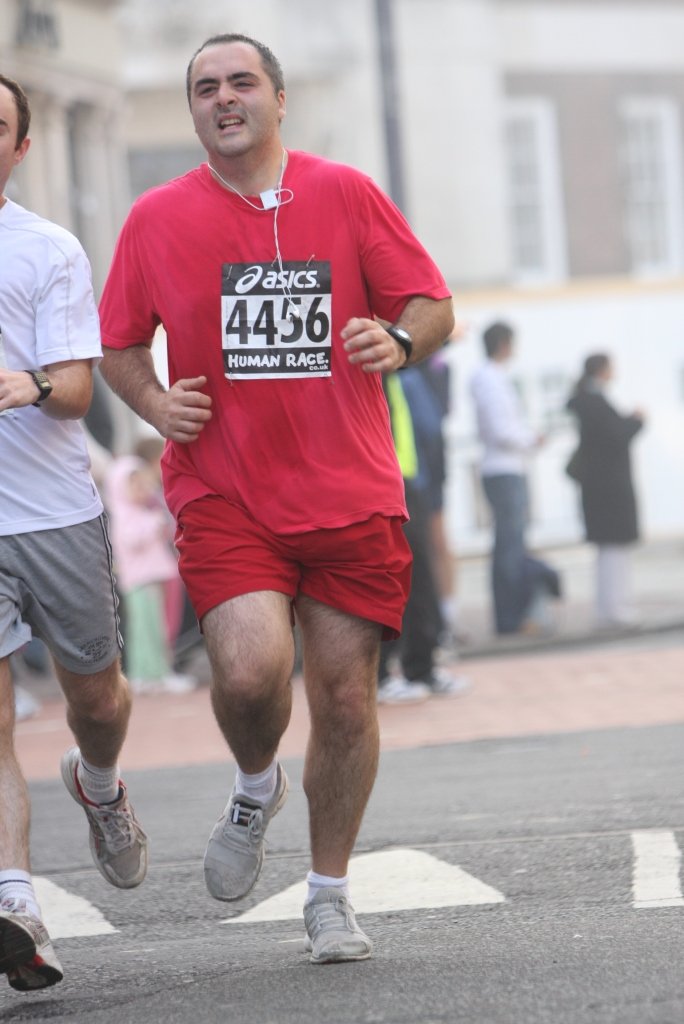
That’s me approaching 30, somewhere around 20 stone, running one of my first 10K races and looking considerably less healthy than someone actually participating in a sporting event probably should.
I’m also almost exactly the same colour as my T-shirt.
At the time, finishing 10K felt like a fairly significant achievement.
A few years later I’d run several marathons, broken three and a half hours, discovered cycling, bought far too much Lycra, got into triathlon and completed Ironman Austria in 11 hours and 43 minutes.
I definitely didn’t have any of that planned.
There was no grand five-year strategy. I didn’t wake up one morning, look inspirationally into the middle distance and decide to become an Ironman.
I just kept finding the next thing.
And looking back, that’s probably the most interesting part of the whole journey.
It started with running
I had sleepwalked my way to 30. I’m not sure if I was overweight because I wasn’t happy, or wasn’t happy because I was overweight. Either way, something needed to change.
I had always been sporty and still exercised, so this wasn’t some dramatic conversion from the sofa to running shoes. I was simply very good at combining exercise with a lifestyle that comprehensively cancelled out most of the benefits.
I remember reading a self-help article in a men’s magazine that really resonated with me. The basic message was to change jobs, take up a hobby or start a sport, but whatever I did, I should do it because I wanted to, not because I thought I should.
So I started making changes. Running gave me something measurable to aim at. There was always another distance, another race or another time to chase.
From 10K I progressed to the marathon. And I use the word progressed fairly generously.
My first marathon took more than six hours.
Six hours is a long time to do almost anything. It’s a particularly long time to spend discovering just how far 26.2 miles actually is.
But I’d finished one. So naturally, rather than concluding that this had been quite enough marathon running for one lifetime, I did another. And then another.
The times gradually came down. I started training more intelligently, joined Clapham Chasers and surrounded myself with people who thought spending Sunday morning running around for several hours was entirely normal.
Eventually I went from a marathon taking more than six hours to running one in under three and a half.
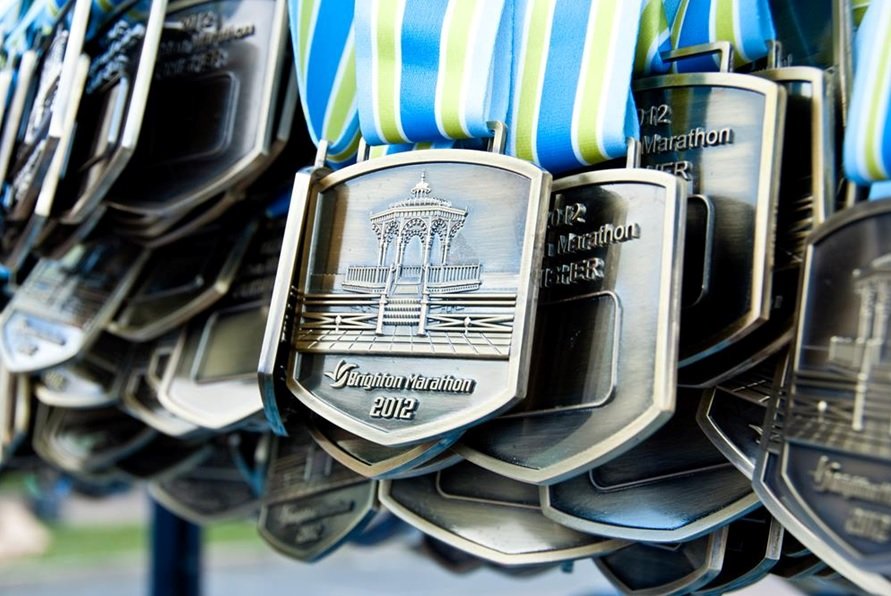
That progression became addictive. Every time I achieved something that had previously seemed unlikely, I wanted to know what I could do next.
Then I discovered the dark side
Cycling.
I bought my first proper road bike, a Bianchi, and absolutely loved it. Although nothing is ever quite so simple…
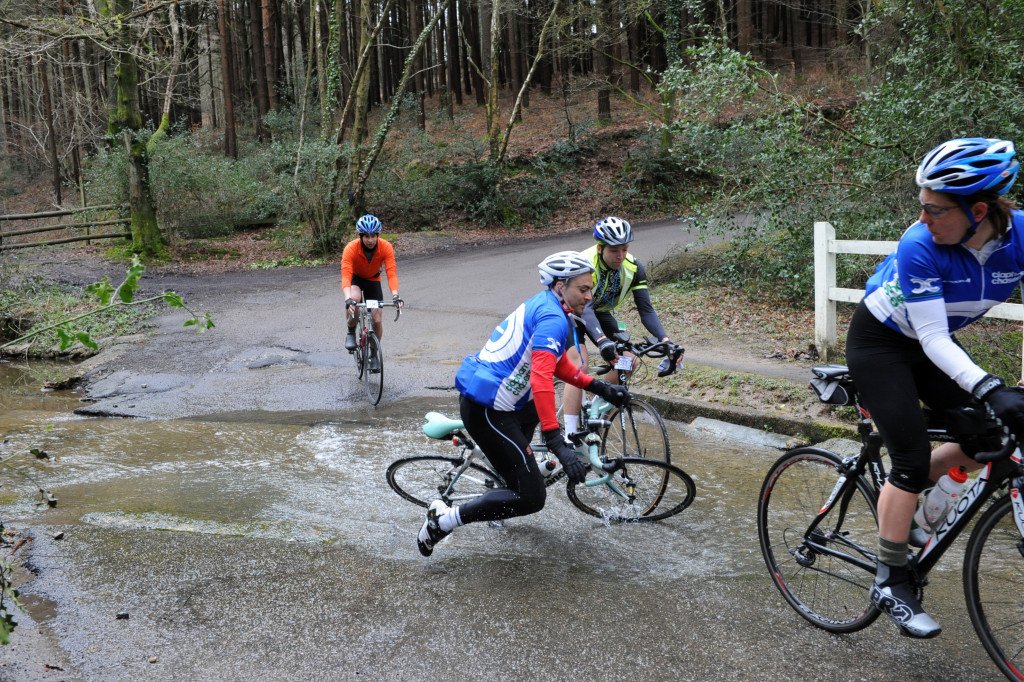
Cycling opened up another world. Longer rides, new challenges, new friends and a growing tendency to believe that spending large amounts of money making a bicycle marginally lighter was entirely rational.
It also eventually led me to my wife, which was a considerably better return on investment than most of the bike upgrades.
Once you’re running and cycling, there is of course an obvious way to make life considerably more complicated.
Add swimming.
And then triathlon happened
Triathlon had always been somewhere in the background. My brother was a keen triathlete and I’d started mixing with more people who raced.
Then I went on a training holiday to Club La Santa and did my first Olympic-distance triathlon.
I loved it. That was pretty much that.
I spent a whole season racing sprint and Olympic-distance triathlons whenever I could. There was always another race, another time to chase and another bit of kit that I could convince myself was absolutely essential.
The following year I stepped up again and entered the Vitruvian, my first half Ironman. By then the pattern was fairly well established.
A 10K had become a marathon.
A marathon had led to cycling.
Running and cycling had led to triathlon.
Sprint triathlons became Olympic distance. Olympic distance became a half Ironman.
And then, inevitably, came the question that most increasingly obsessed triathletes eventually ask:
Could I do a full Ironman?
So I entered an Ironman
In July 2012, I finally did it.
I managed to get a coveted place at Challenge Roth by entering about three seconds after entries opened online.
Months of training lay ahead.
There was just one small complication.
About four months later, my wife and I discovered we were expecting our first child.
Which was wonderful news.
Her due date was also the day of Challenge Roth.
Which was less convenient.
I can’t remember exactly how long I entertained the idea that I might somehow still be able to do both. Probably longer than was sensible.
My wife, herself a triathlete and normally extremely supportive of this sort of nonsense, eventually pointed out that disappearing to Germany to do an Ironman on the day our first child was due might not represent peak husbanding.
She had a point.
Roth was out.
But by then I’d committed to doing an Ironman, and I wasn’t quite ready to let it go. I found a place at Ironman Austria through Nirvana Europe instead.
The ridiculous goal was back on.
Ironman Austria
I won’t bore you with another detailed Ironman race report.
There are only so many ways to describe swimming, cycling and running for most of a day before everyone involved starts questioning their life choices.
What mattered to me was getting to the finish. Several years earlier I’d been around 20 stone and taking more than six hours to complete a marathon.
Now I was standing on the start line of an Ironman.
And I finished it.
11 hours and 43 minutes.
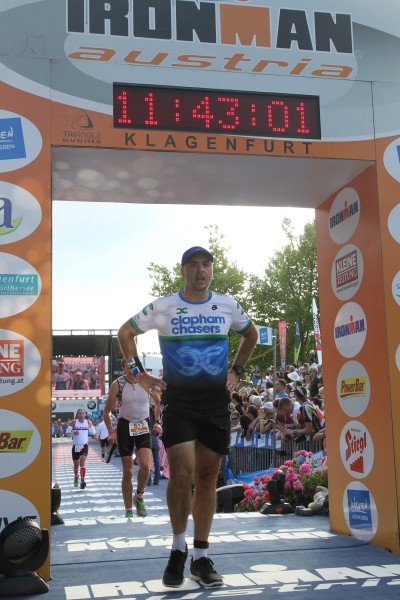
Going from a six-hour-plus marathon to finishing an Ironman in under 12 hours remains one of my proudest sporting achievements.
Not because 11:43 is an extraordinary Ironman time. Plenty of people go much faster.
It’s what it represented to me.
The person crossing that finish line was a long way from the bloke in the red T-shirt.
I never really planned any of it
Looking back, the journey is probably a well-trodden one.
Running leads to a marathon. Someone persuades you to buy a bike. Before long you’re shaving your legs and having serious conversations about carbohydrate intake with people you’ve only just met.
Then somebody mentions triathlon.
One distance leads to another and eventually the thing that once sounded completely ridiculous starts to feel strangely achievable.
But when I was running that early 10K, an Ironman wasn’t the goal. Neither was a sub-3:30 marathon. I was simply trying to make some changes and see what I could do.
That’s probably the most important thing I’ve taken from the whole experience.
You don’t need to see the finish line at the beginning.
You just need something achievable to aim for next.
Each small goal changed what I thought I was capable of. The six-hour marathon made the next marathon possible. Getting faster made me wonder what else I could do. Cycling opened another door. Triathlon opened another.
Eventually, almost without noticing it, the ridiculous goal became the next logical one.
What I learned along the way
I’m certainly not pretending I’ve discovered some magic formula. But looking back, there are a few things that made a huge difference for me.
- Join a sports club, not just a gym. Making exercise social changed everything. I joined Clapham Chasers, met like-minded people and made friends who were interested in the same things. Training stopped being something I had to make myself do.
- Set short-term and long-term goals. It’s good to have the ridiculous goal in the distance, but the smaller ones keep you moving. I used parkrun times, races and PBs as stepping stones. There was always something achievable to chase next.
- Have a reason to do it. Something that helps you maintain your resolve. I’m slightly ashamed to admit that at one stage one of mine was meeting a girl. It worked out reasonably well.
- Don’t be afraid to change things. Sometimes changing one part of your routine has an effect on everything else. New sports, new clubs and new people all helped me build a lifestyle that was very different from the one I’d had before.
- Pay attention to what you eat. I exercised a lot even when I was overweight, which was fairly compelling evidence that exercise alone wasn’t going to solve everything. Keeping a food diary made me much more aware of what I was actually consuming and, for me, made an enormous difference.
And then life carried on
Of course, crossing an Ironman finish line doesn’t mean you’ve cracked life permanently.
That would be convenient.
Since Austria in 2013 I’ve had my first and second child, moved house, got married and launched Yellow Jersey.
Somewhere amongst all of that I’ve let myself drift again. Not back to where I started, but far enough to recognise some familiar warning signs.
Which is partly why I’ve been thinking about this journey again.
The answer probably isn’t another grand transformation. It’s the same thing that worked before.
Find the next goal.
I’ve entered Ironman Frankfurt in 2016 and a local marathon as a shorter-term target. Since moving house I’ve found a local club to train with, and I’ve started using MyFitnessPal to keep an eye on my nutrition again.
Apparently I’m doing it all over again.
And perhaps that’s the real lesson.
You don’t suddenly become the finished version of yourself because you complete an Ironman, run a marathon or lose some weight.
Life changes. Priorities change. Children arrive. Work gets busy. Fitness comes and goes.
You just keep moving the goalposts.
So if you’re currently at the beginning of your own journey, don’t worry too much about where it might ultimately lead.
You don’t need to become an Ironman.
You don’t even need to know what the big goal is yet.
Just pick the next one.
You might be surprised where it takes you.
Signed up for a marathon, triathlon or another sporting challenge overseas? Yellow Jersey offers specialist travel insurance for runners, triathletes and hundreds of other sports. Check that your cover includes the training or competition you’re travelling for.
Marathon and running travel insurance | Triathlon travel insurance